

Filter by
Category
Conferences
Education
Exhibitions
Performances
Day
07.05.2026
08.05.2026
09.05.2026
11.05.2026
12.05.2026
13.05.2026
14.05.2026
15.05.2026
16.05.2026
17.05.2026
Venue
Forum Arte Braga
gnration
Mosteiro de Tibães
Muzeu
Online
Theatro Circo
Programme
“The prisons of the possible are the recurring setting of servitude and surrender.”
Marina Garcés, 2025 [1]
Let’s begin with an observation: the exponential technological advances in the last few decades have reshaped the architecture of power relations. The incisive perspectives of various leading figures in contemporary thought converge on this idea, drawing on a wide range of disciplines. Notable examples include the redefinition of the concept of sovereignty by Chinese philosopher Yuk Hui, the introduction of the “cloud capital” thesis by former Greek finance minister Yanis Varoufakis, the hacker manifesto by Australian McKenzie Wark, the essayistic and artistic work of German artist Hito Steyerl, the media-based infrastructures of power dissected by the French thinker Yves Citton, and the technopolitical dimension present in the works of the Portuguese thinker José Gil and the Italian Franco “Bifo” Berardi.
For José Gil, this reconfiguration of power is linked to the emergence of a “supernature” composed of “intelligent machines whose ultimate objective is control”. This control is not merely economic, political, or infrastructural, but extends to “the flow of desires and ideas, of life and death” [2].
The third edition of INDEX, biennial of art and technology, focuses precisely on Power, proposing an expansive reflection on the distinct ways in which, in our times, this concept is shaped by technology. This inquiry is grounded in the field of Art, understood as a fundamentally political practice that encompasses our everyday senses and gestures, allowing us to open them to new uses [3]. Similarly, through Art we can also imagine new futures and speculate beyond the “prisons of the possible” [1], thereby weaving new realities.
We have designed a comprehensive program organized into several dimensions. It includes an exhibition which brings together artists from around the globe whose practices scrutinize the relationship between technology and power through diverse media and techniques. It also features approaches manifested through performances of different scales and formats, the vast majority of which are premieres in Portugal. Furthermore, it seeks to stimulate critical thinking through an extensive series of conferences and debates featuring some of today’s leading figures in this field.
The desire to understand technology as a medium for critical reflection on our times, rather than a domain of mere fascination and technical potential, is the common ground of our programmatic thinking. As McKenzie Wark, a guest of the program, suggests, our times call for a “collective hack that brings to fruition a class interest based on an alignment of differences, not on coercive unity.” [4]
At a time when we seem to be moving in the opposite direction of this vision, we offer our contribution to make a difference in the real world, aiming toward a redefinition of the possible.
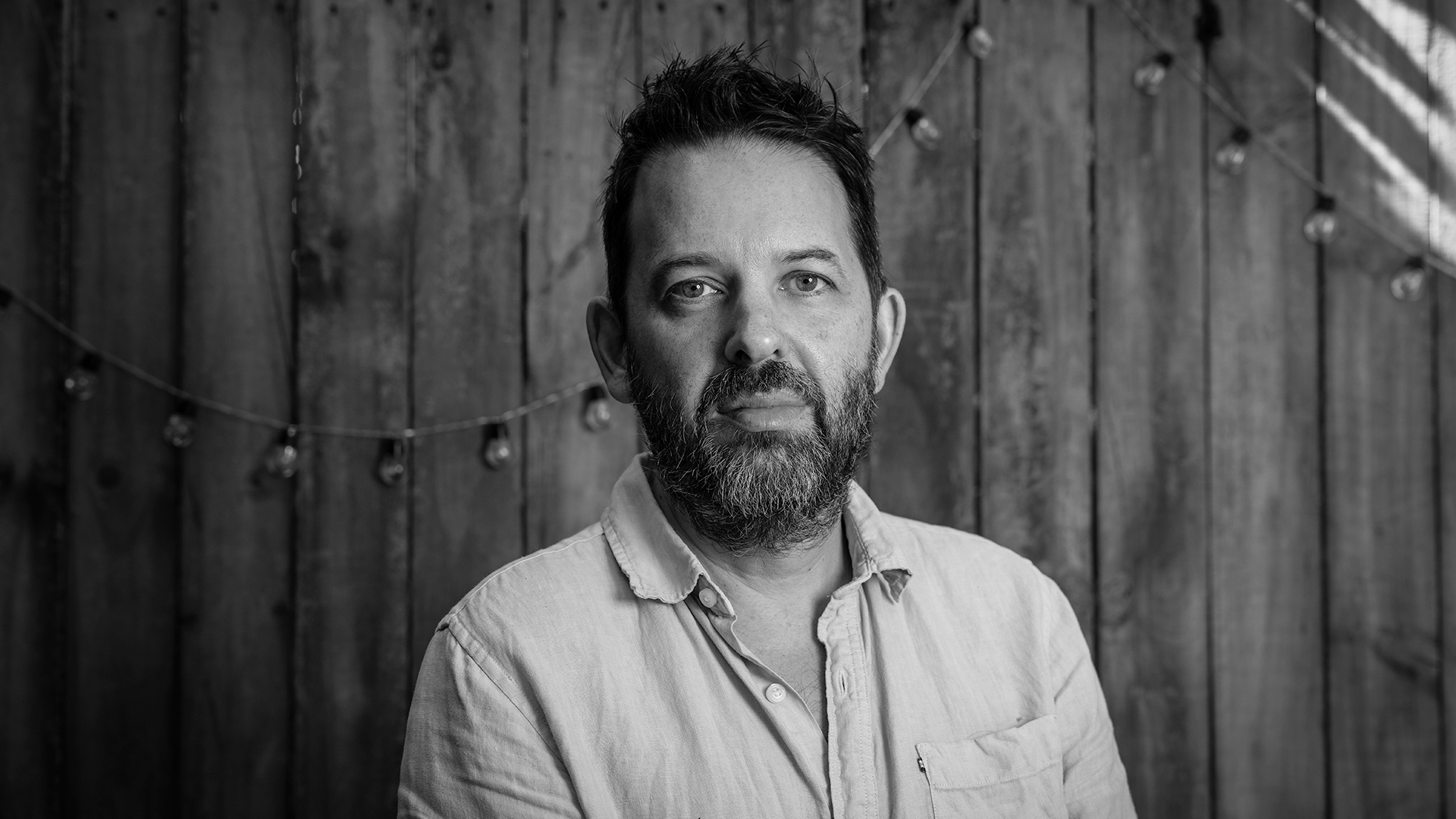
Luís Fernandes
Artistic Director
07.05.2026
Thursday
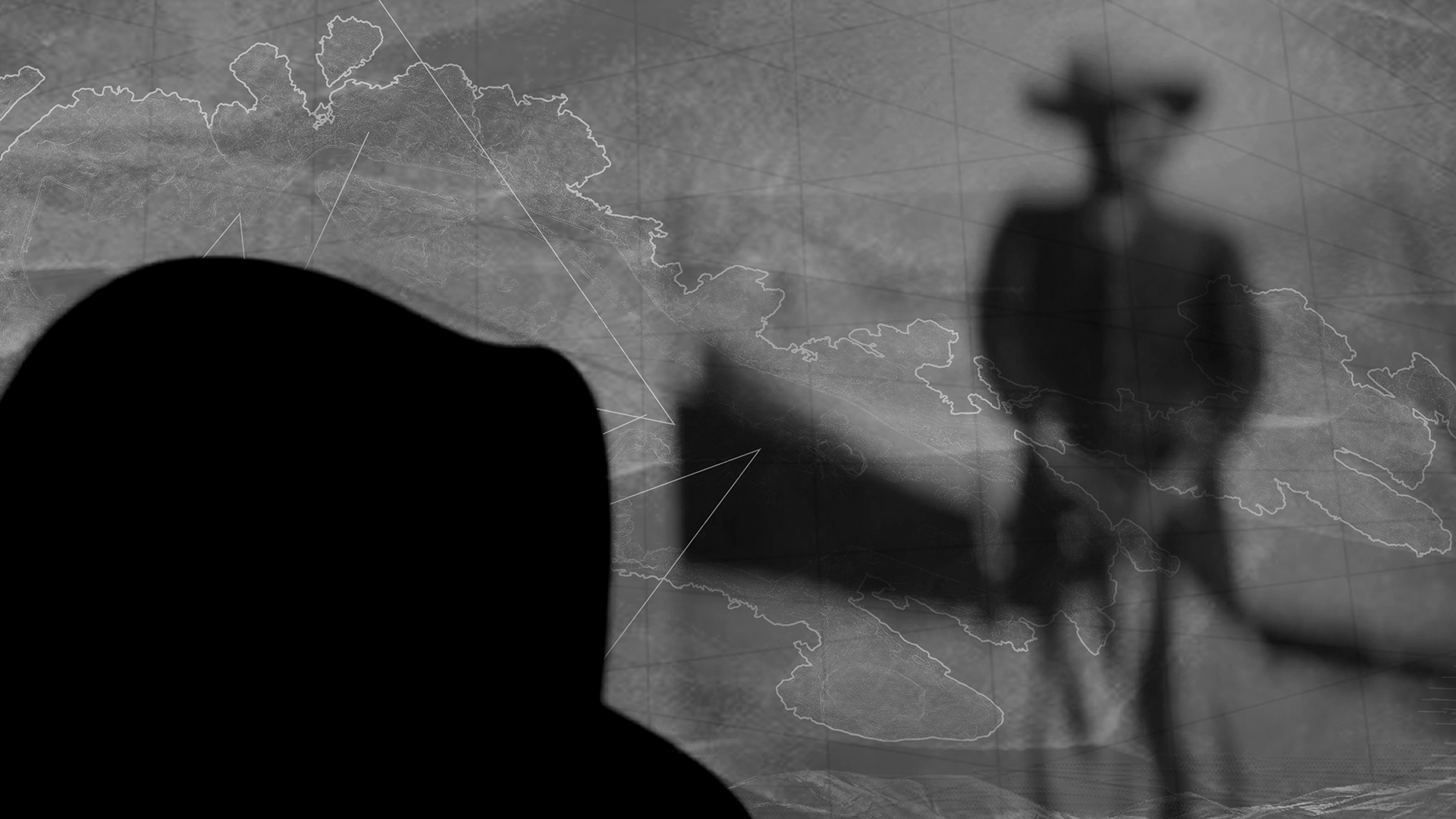
08.05.2026
Friday
09.05.2026
Saturday

Education
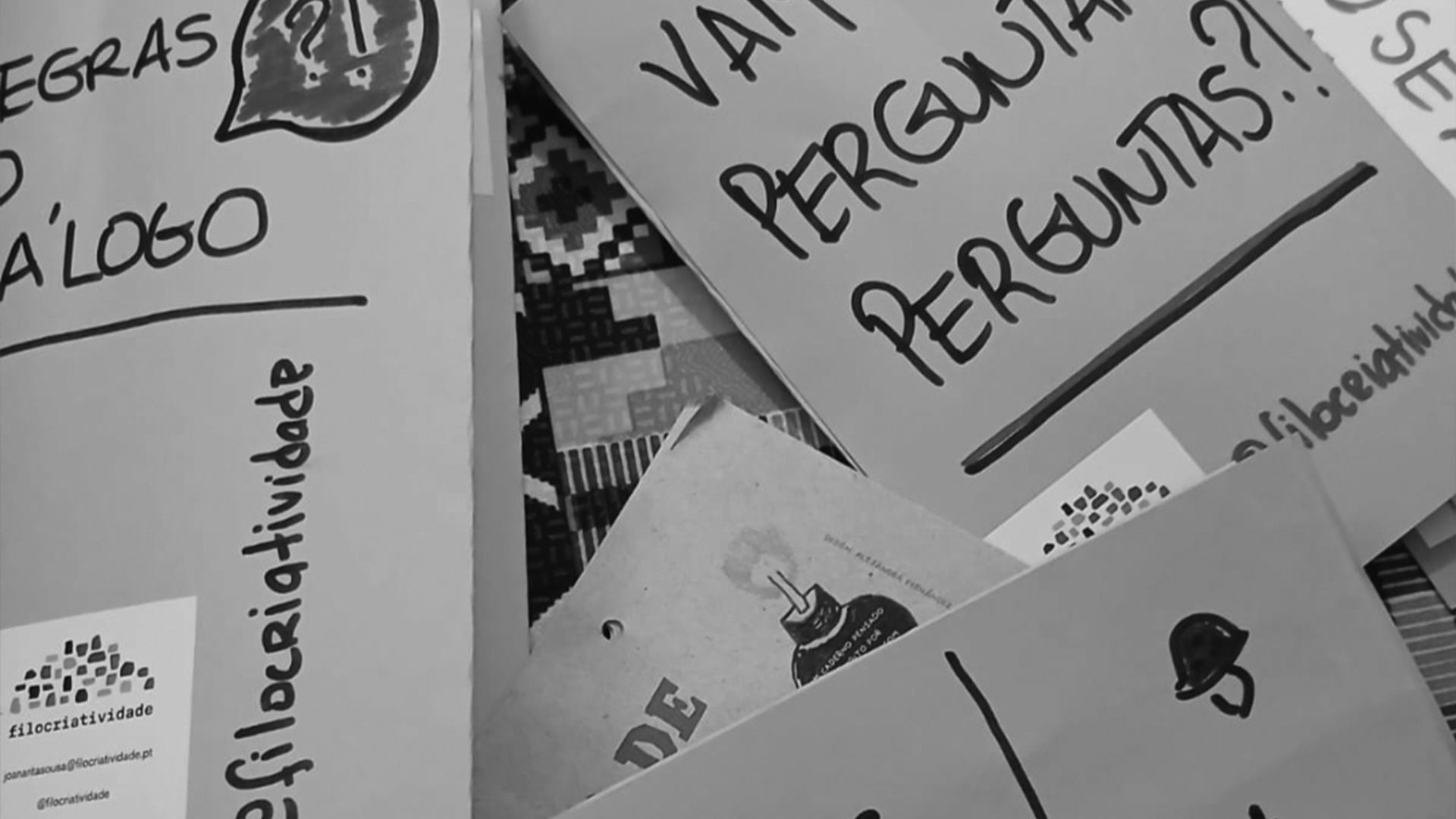
Is there power in dialogue?
Workshop with Filocriatividade
11:00
gnration
Education
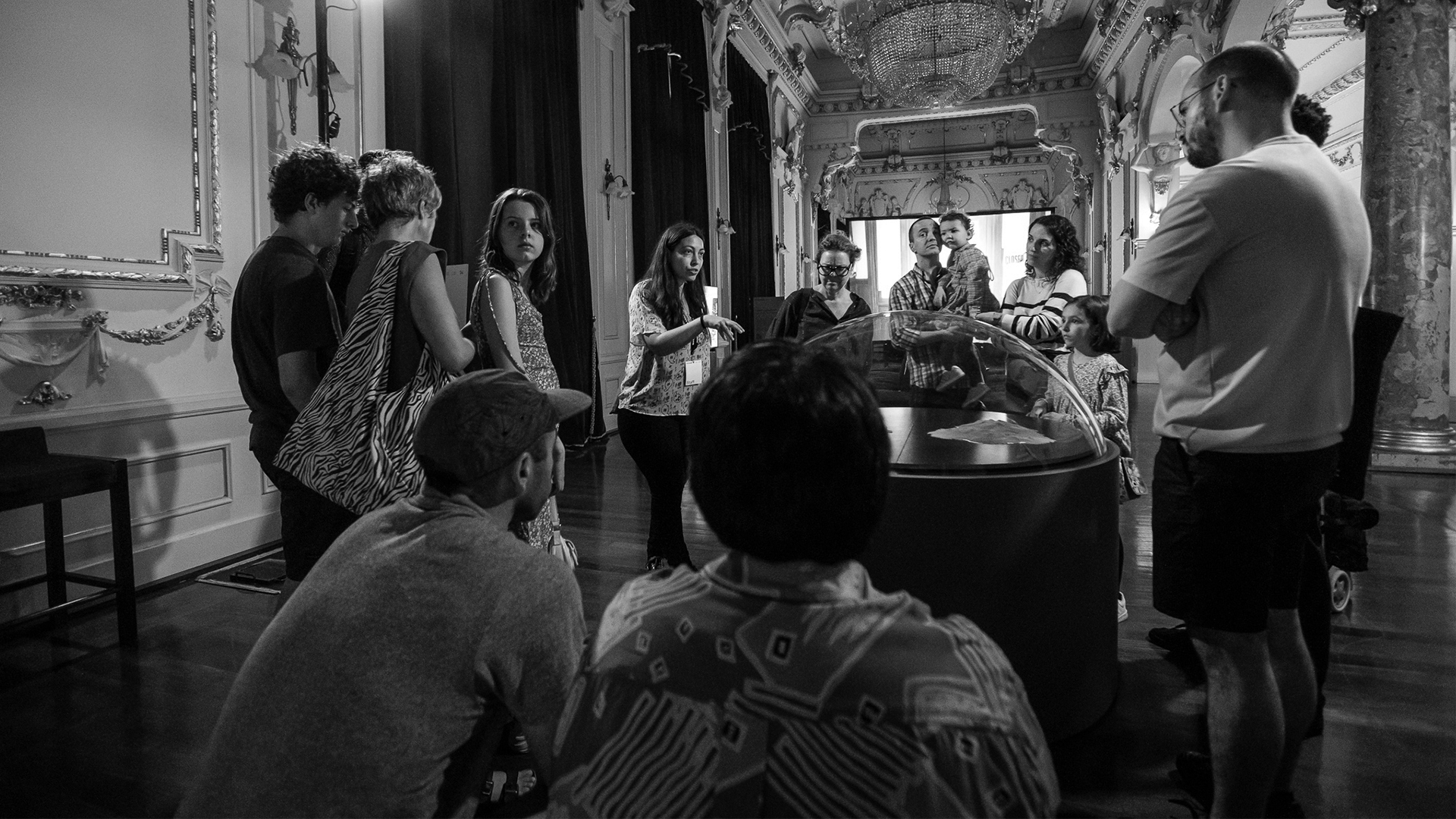
INDEX Guided Tours
12:00
Various locations
Conference
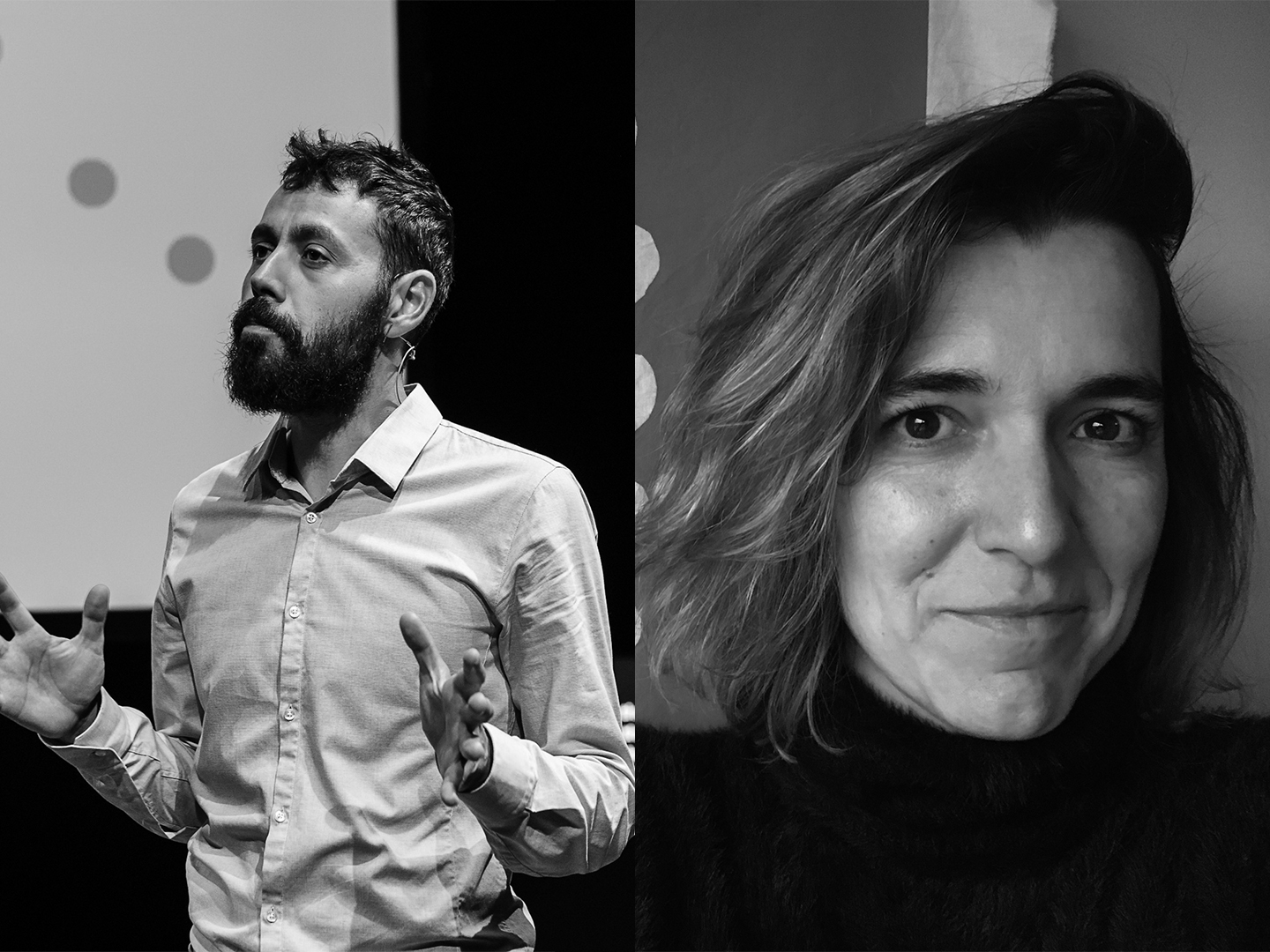
Georgina Voss + Nicolas Maigret
Systems of Power
15:00
gnration (blackbox)
Conference
McKenzie Wark
What if this isn’t capitalism anymore, but something worse?
17:00
gnration (blackbox)
Performance
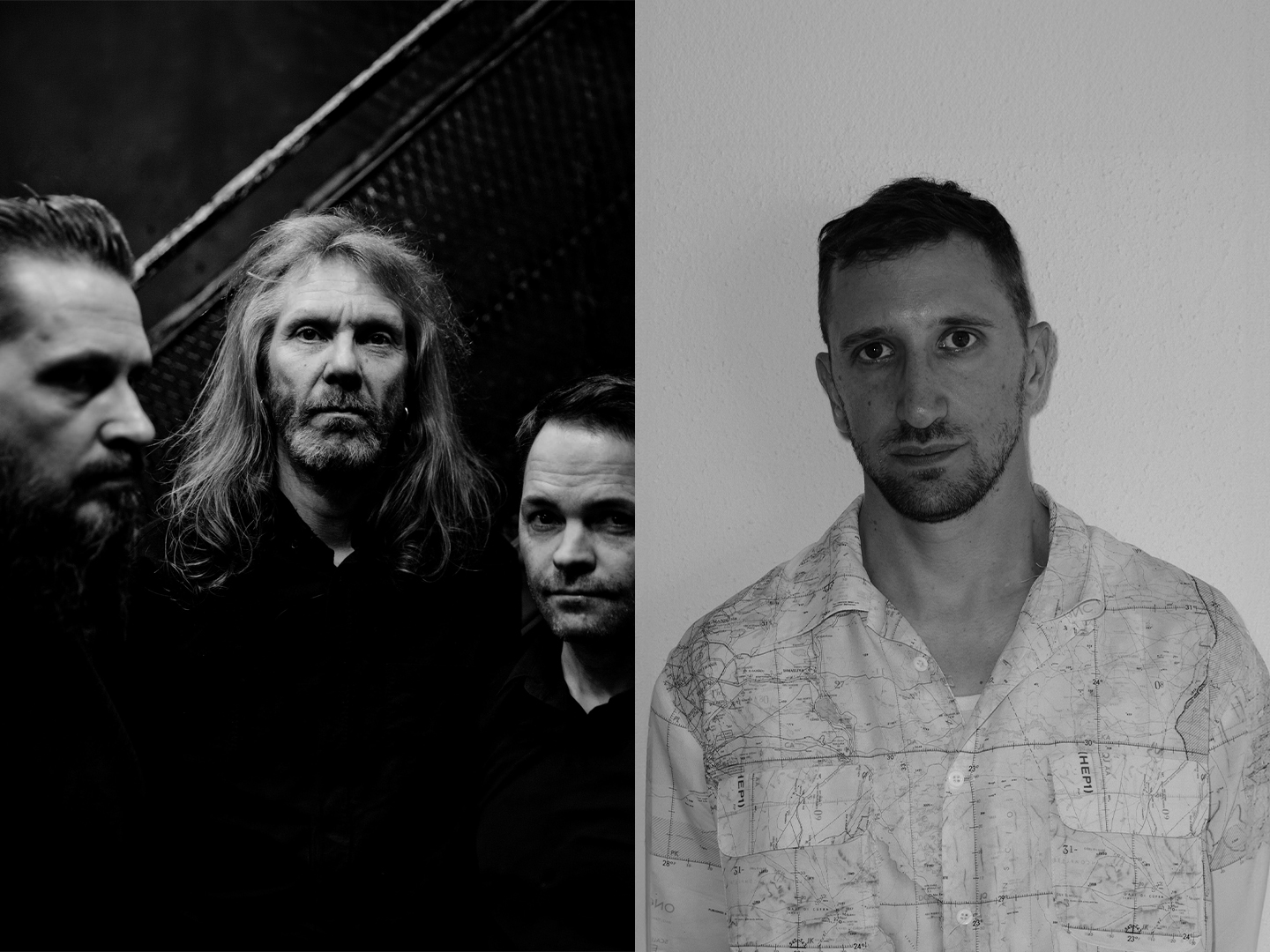
Arkadi Zaides
TALOS
21:30
Theatro Circo (Pequeno Auditório)
10.05.2026
Sunday
11.05.2026
Monday
12.05.2026
Tuesday
Education
WE! Experimental Workshops: Is there power in dialogue?
Workshop with Filocriatividade
11:00
gnration
Education
WE! Experimental Workshops: Is there power in dialogue?
Workshop with Filocriatividade
14:00
gnration
Conference
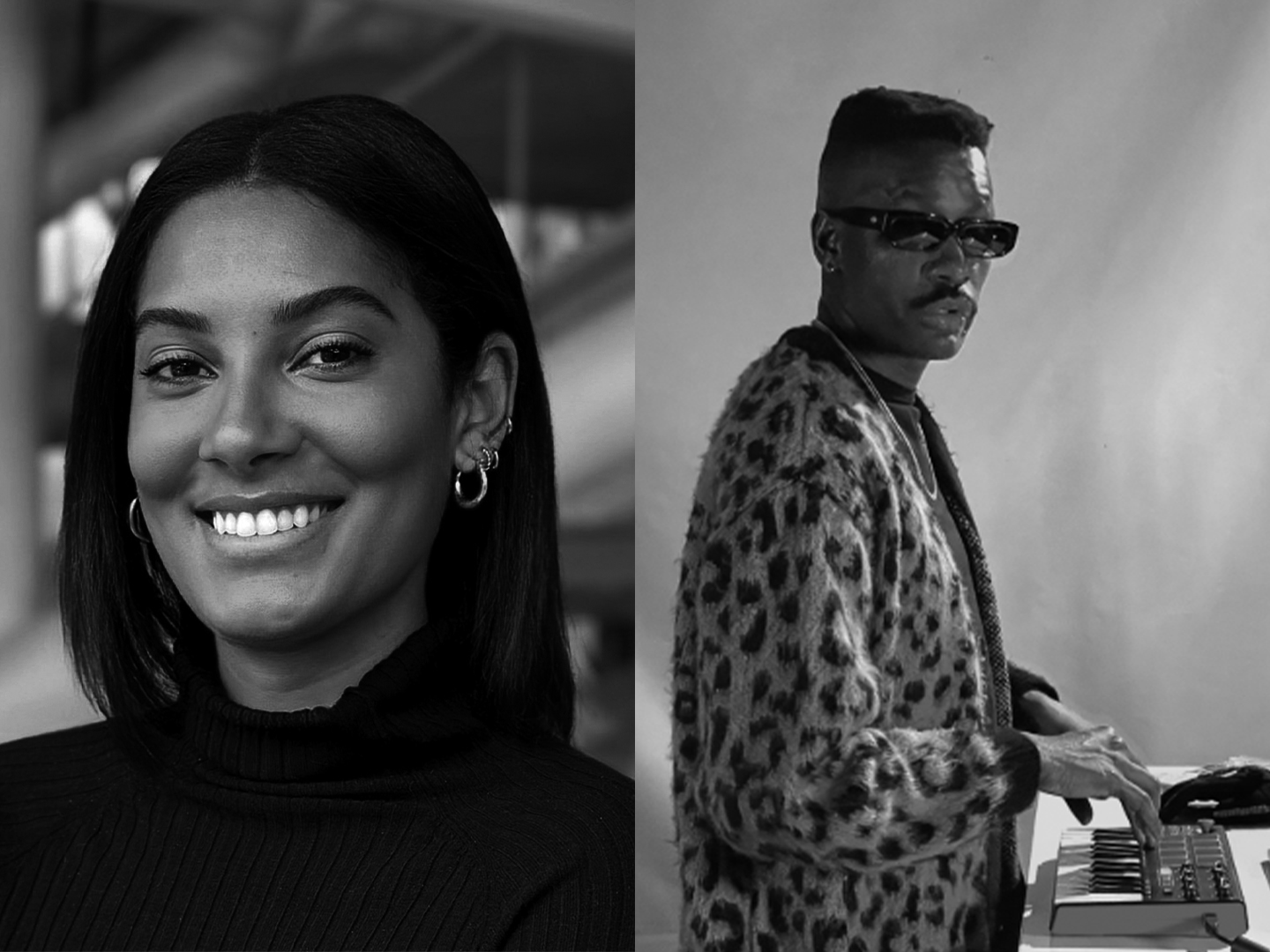
Celina Abba + Mushiva (Forensis/Forensic Architecture)
Investigative Aesthetics
19:00
Online
13.05.2026
Wednesday
14.05.2026
Thursday
15.05.2026
Friday
16.05.2026
Saturday
Education
INDEX Guided Tours
11:00
Various locations
Education
INDEX Guided Tours
12:00
Varios locations
Conference
Yves Citton
Infrastructures of Power
15:00
Muzeu
Conference
José Gil
World Power, Artificial Intelligence, Subjectivity
17:00
Muzeu
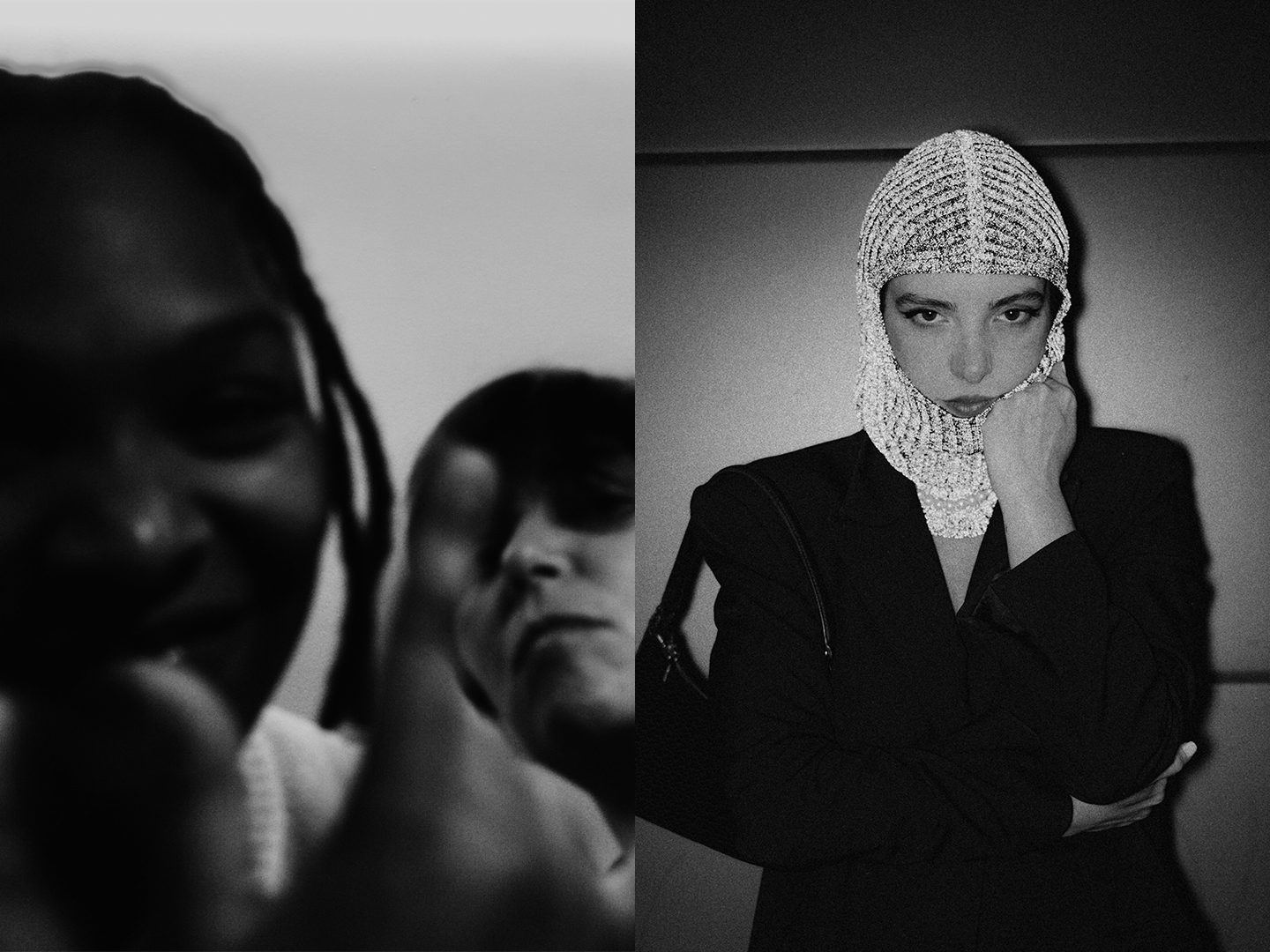
Performance
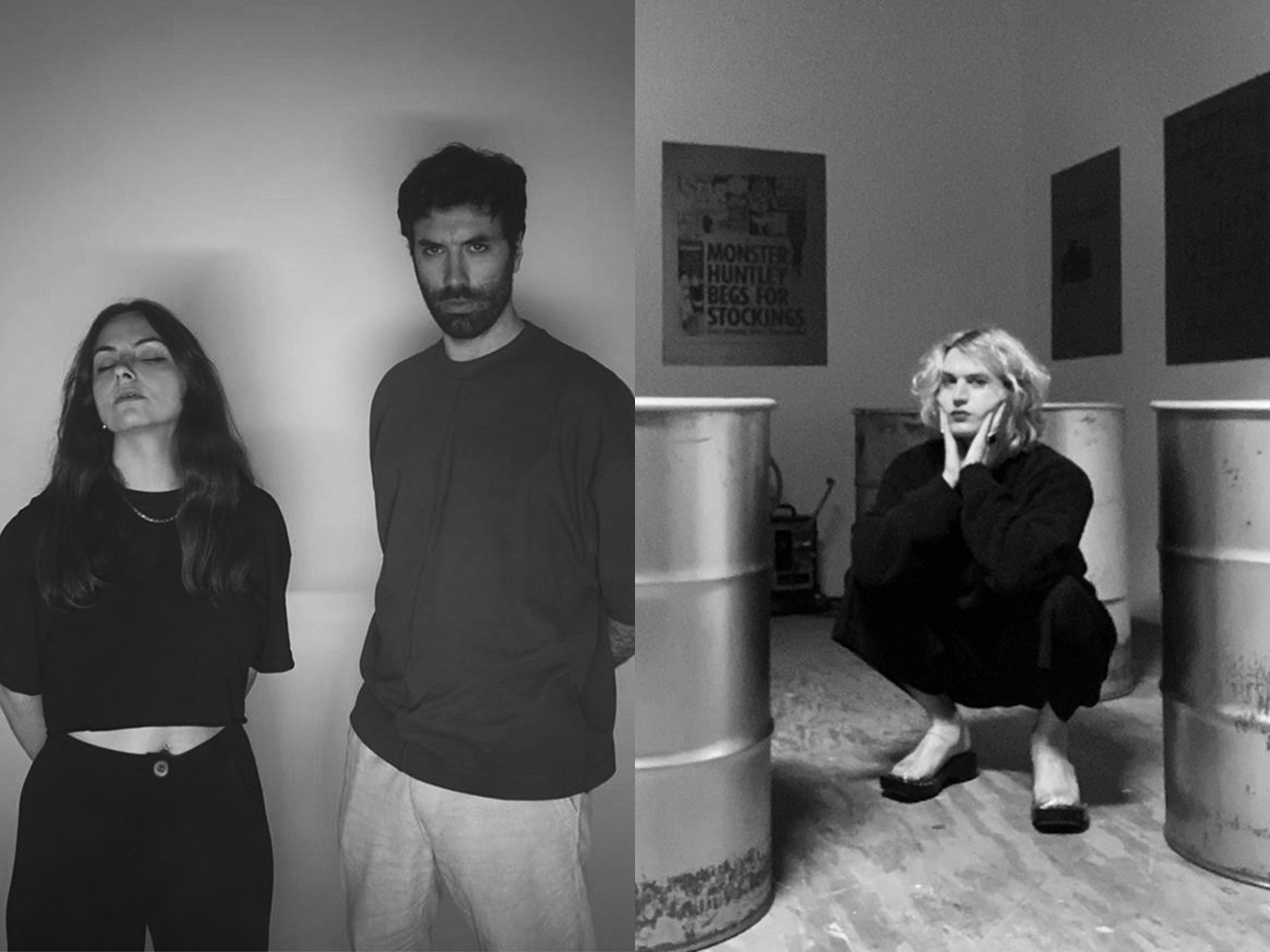
Nídia & Valentina / SUPA
21:30
gnration (blackbox)
Exhibitions
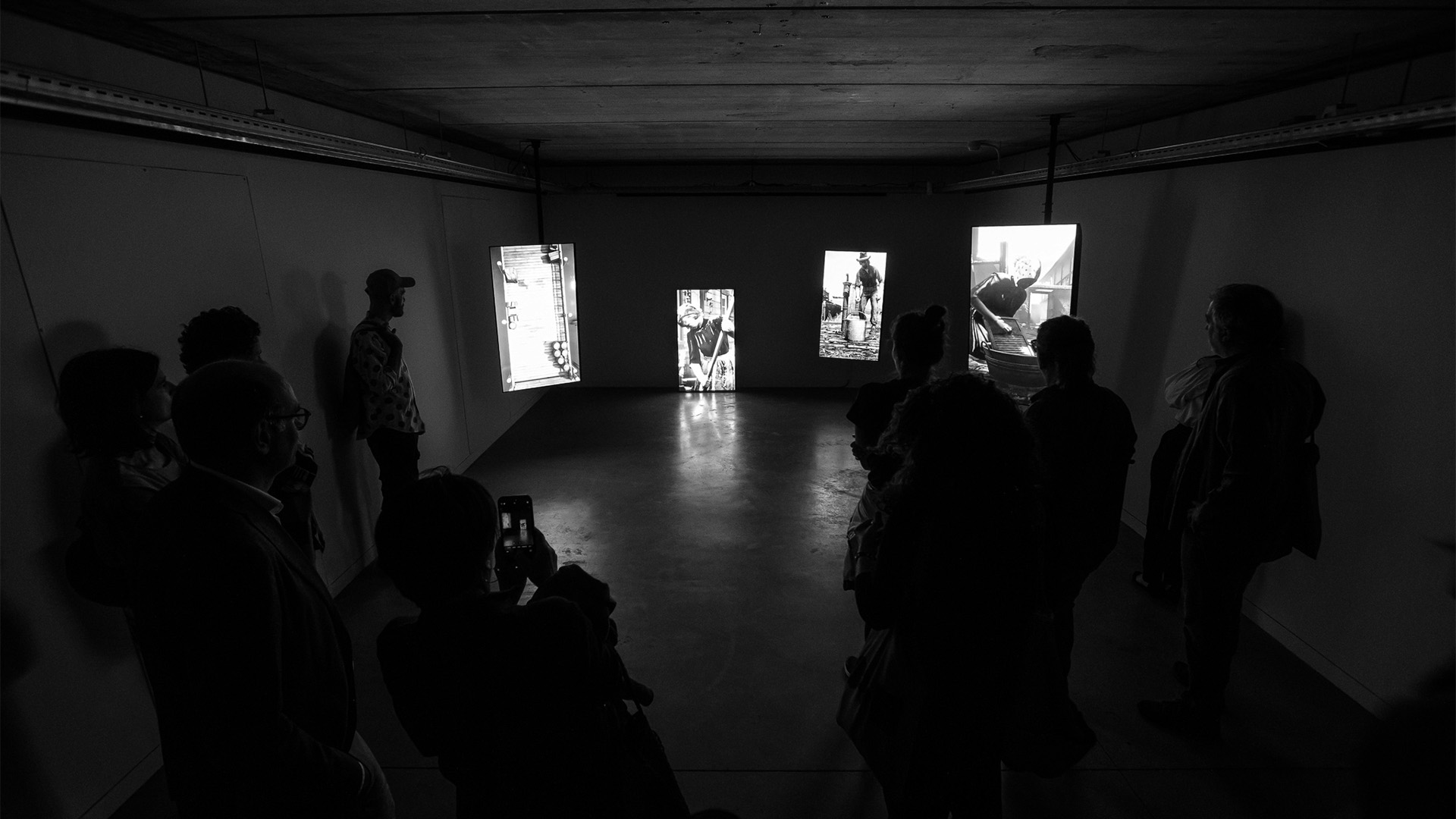
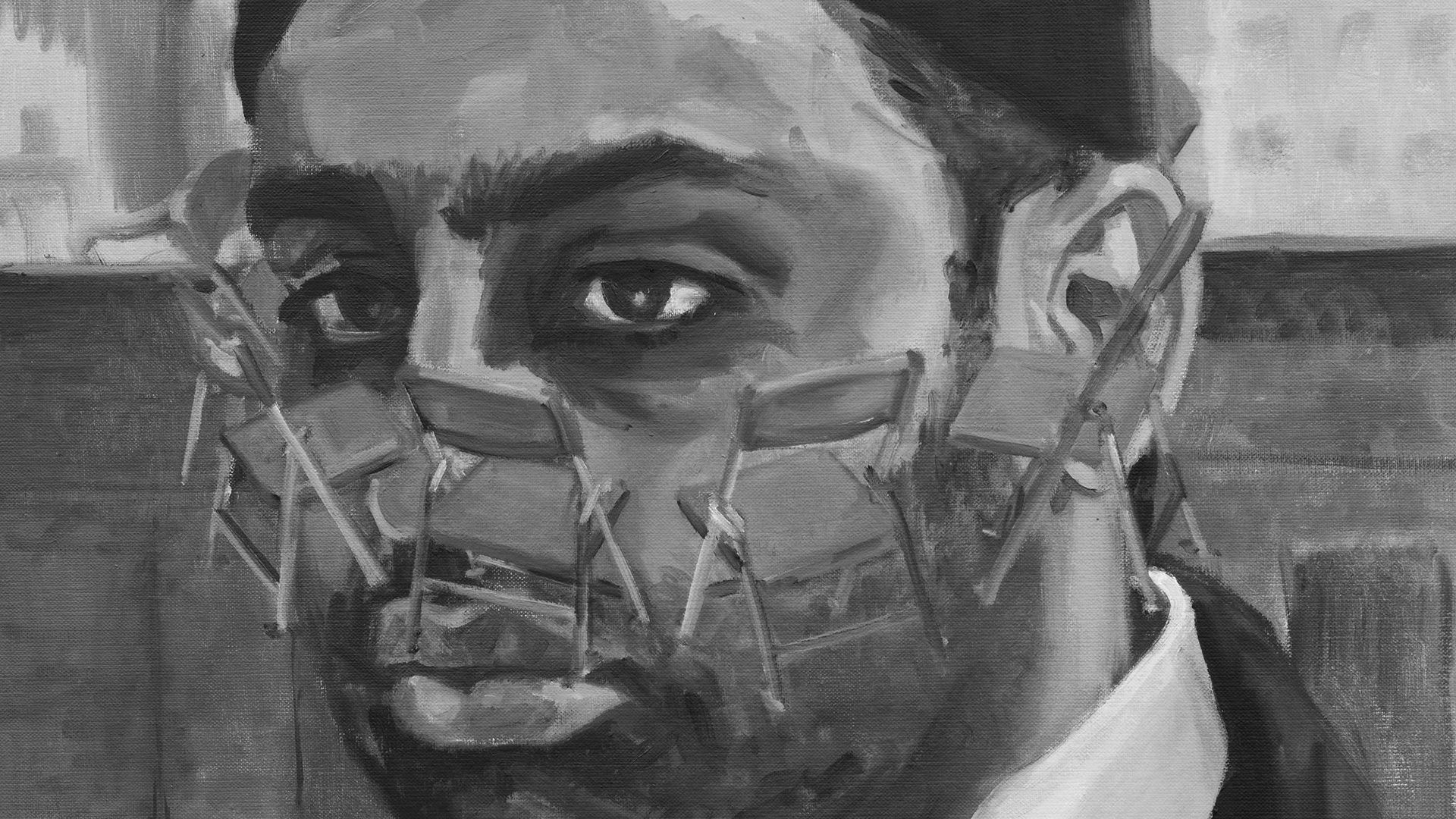
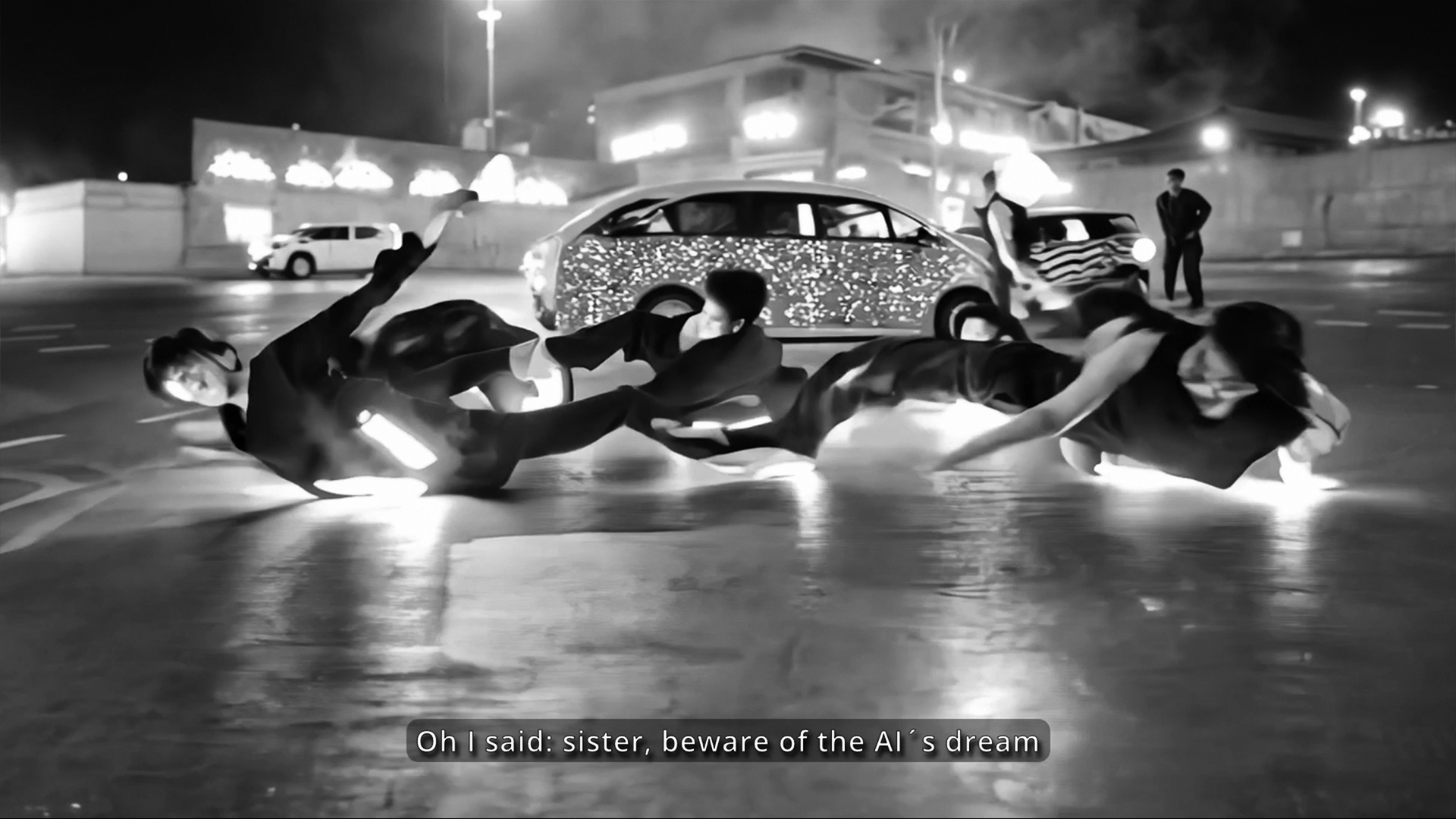
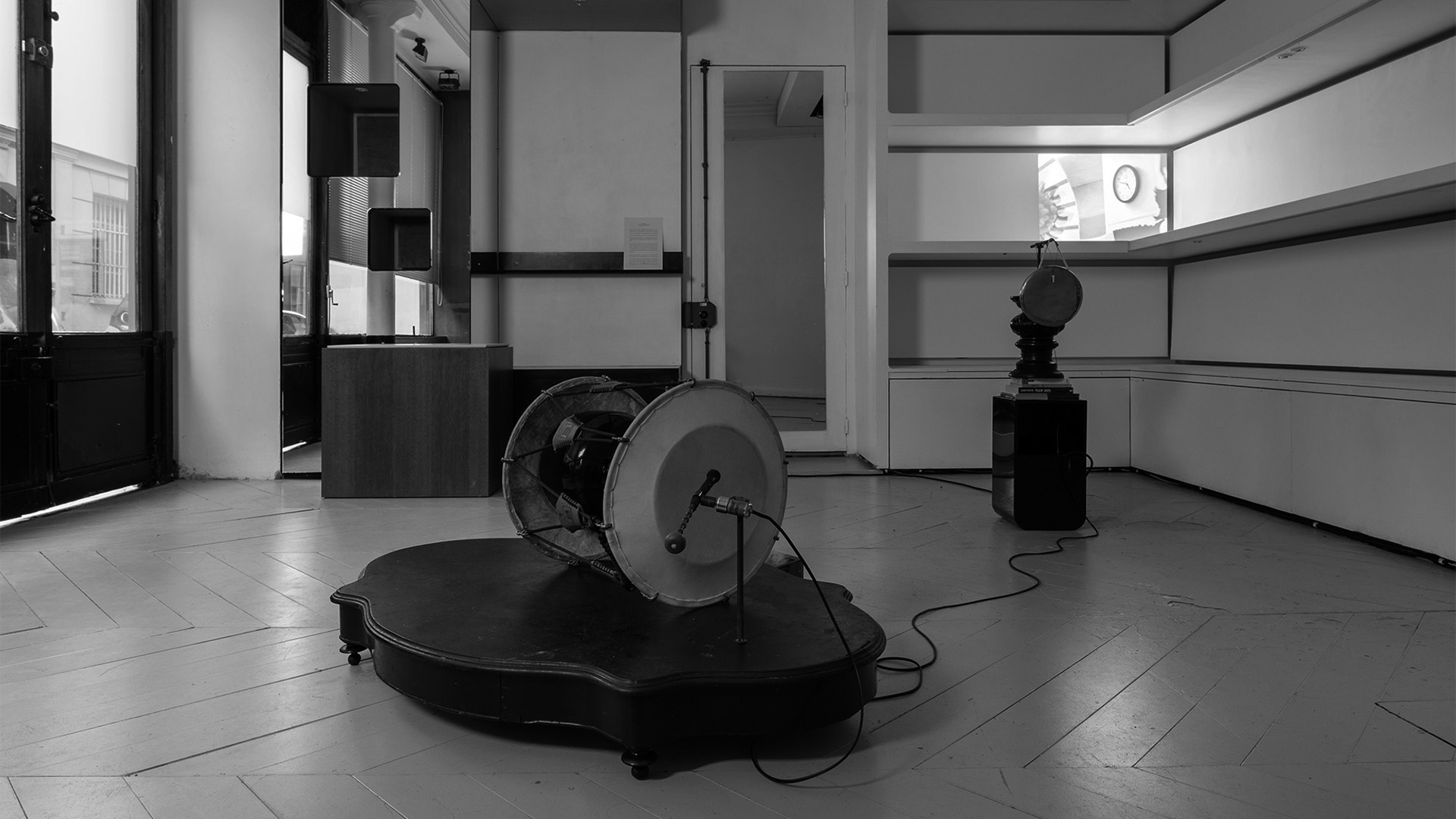
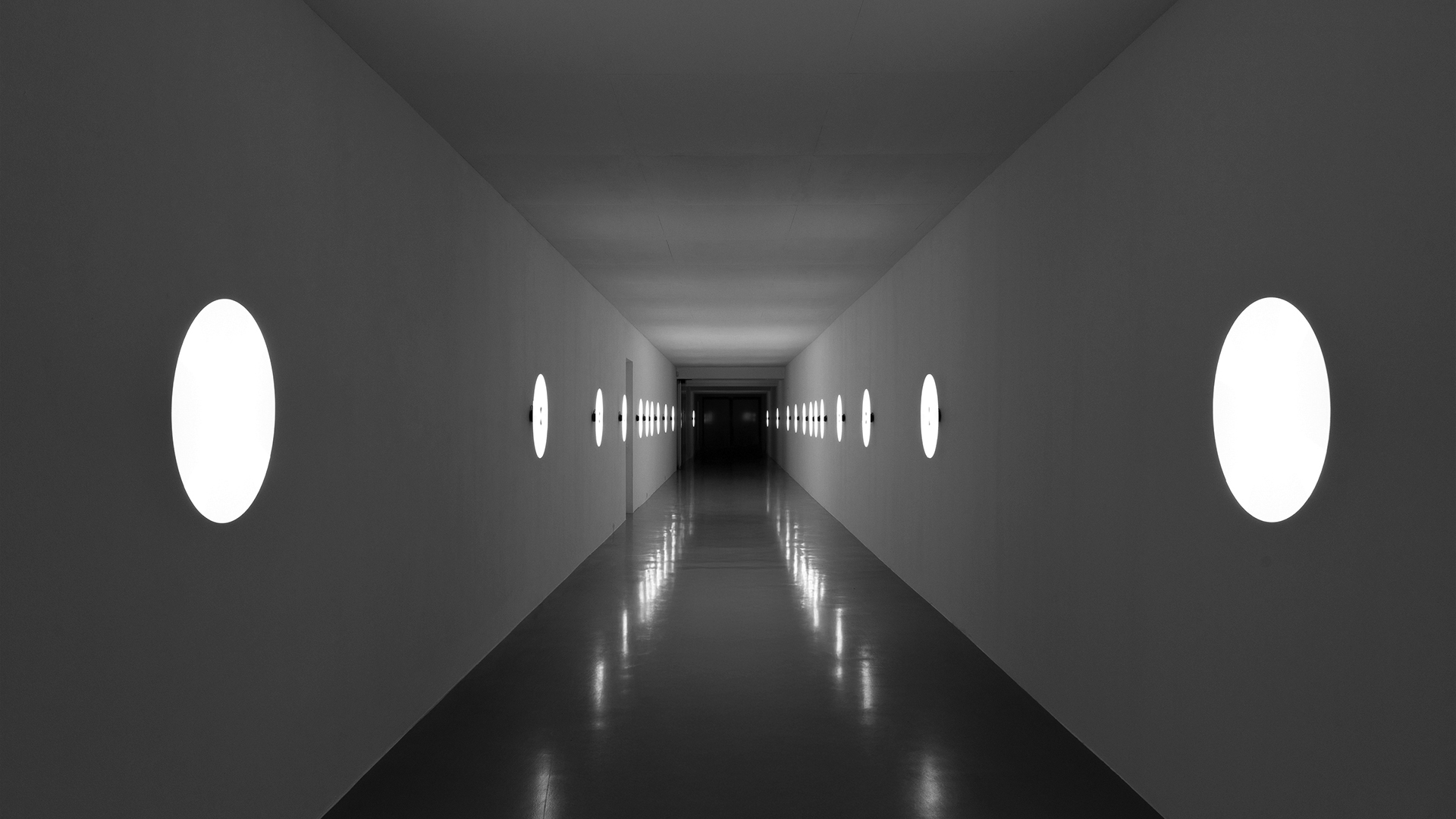
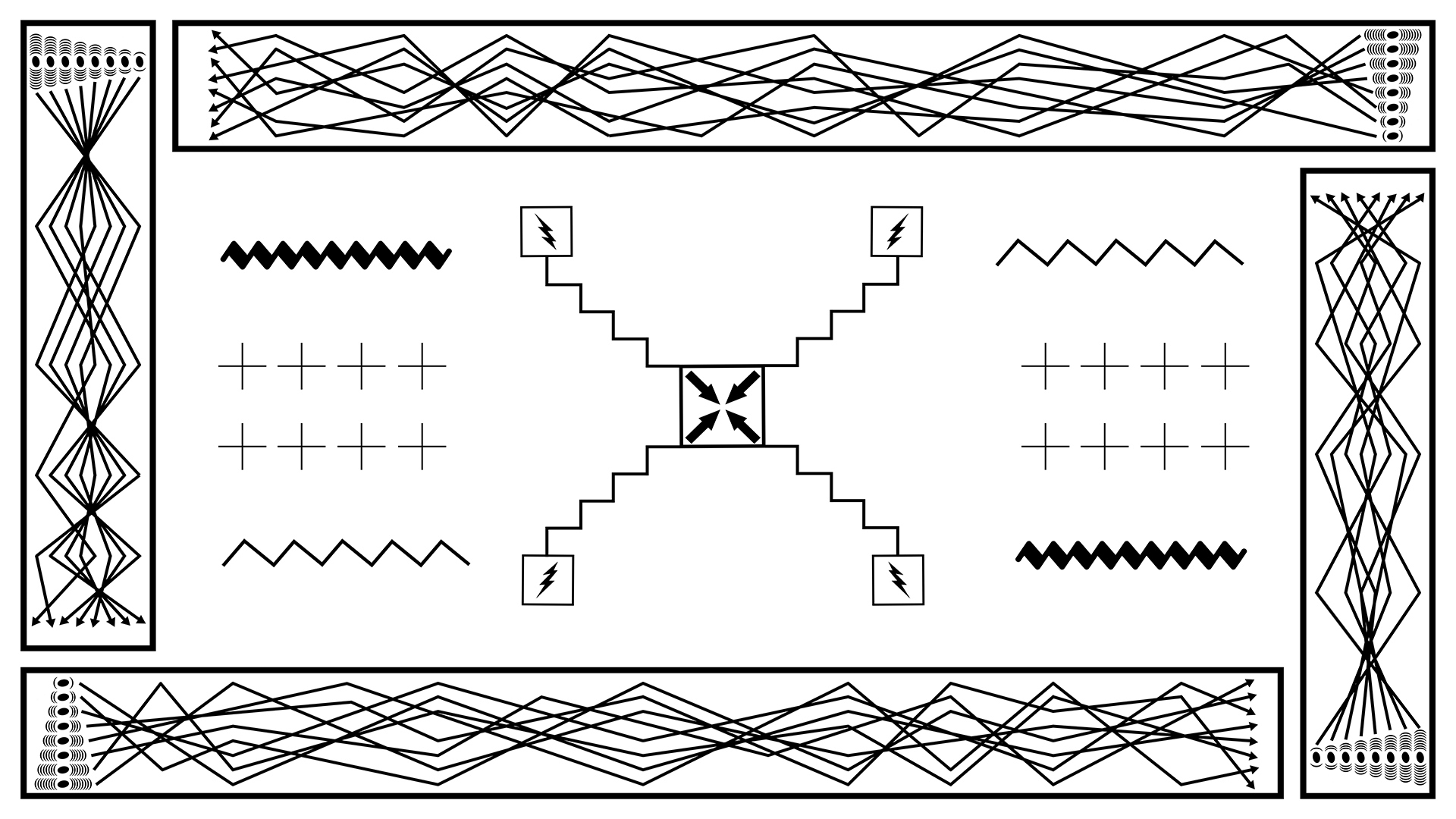
Power – a word of overwhelming scale – is the point of departure of this exhibition. It is a word that defies easy categorization, resisting restriction and fixed definition. It stretches, unfolding across history and through the very essence of longing.
Its immensity makes any attempt at totality impossible. Rather than claiming to be exhaustive, this group show consciously embraces partiality, opting instead to touch on some of the many facets that define this term.
This exhibition operates through intuition rather than hierarchy. Works do not aim to excavate depth in a systematic way, but remain deliberately close to the surface, where symbols circulate quickly and authority is performed, imagined, or distorted. This surface is not shallow. It is charged, unstable, and revealing. Throughout the exhibition, irony functions as a release valve. Its presence sharpens the critical edges while also allowing moments of relief under such intensity.
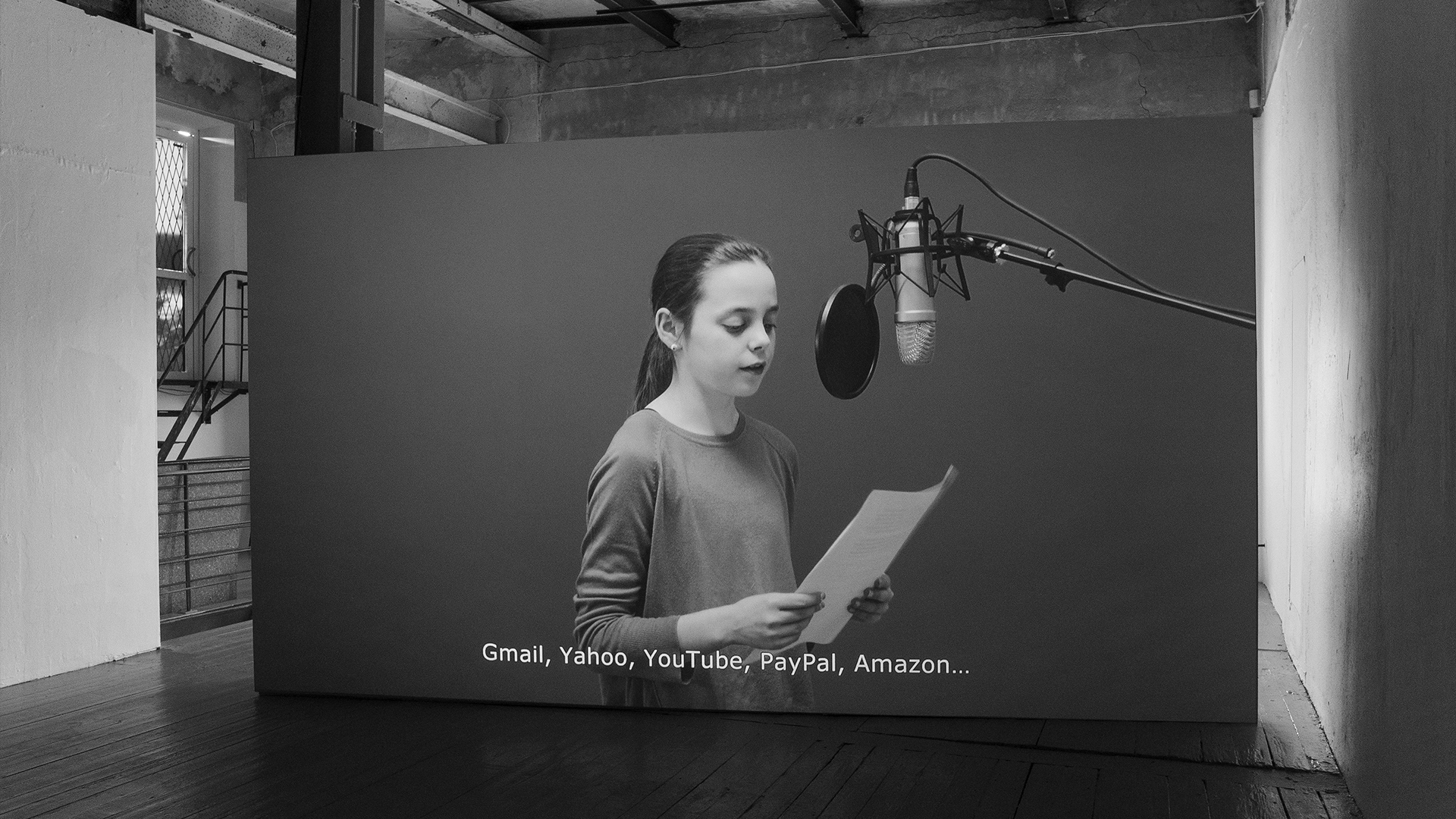
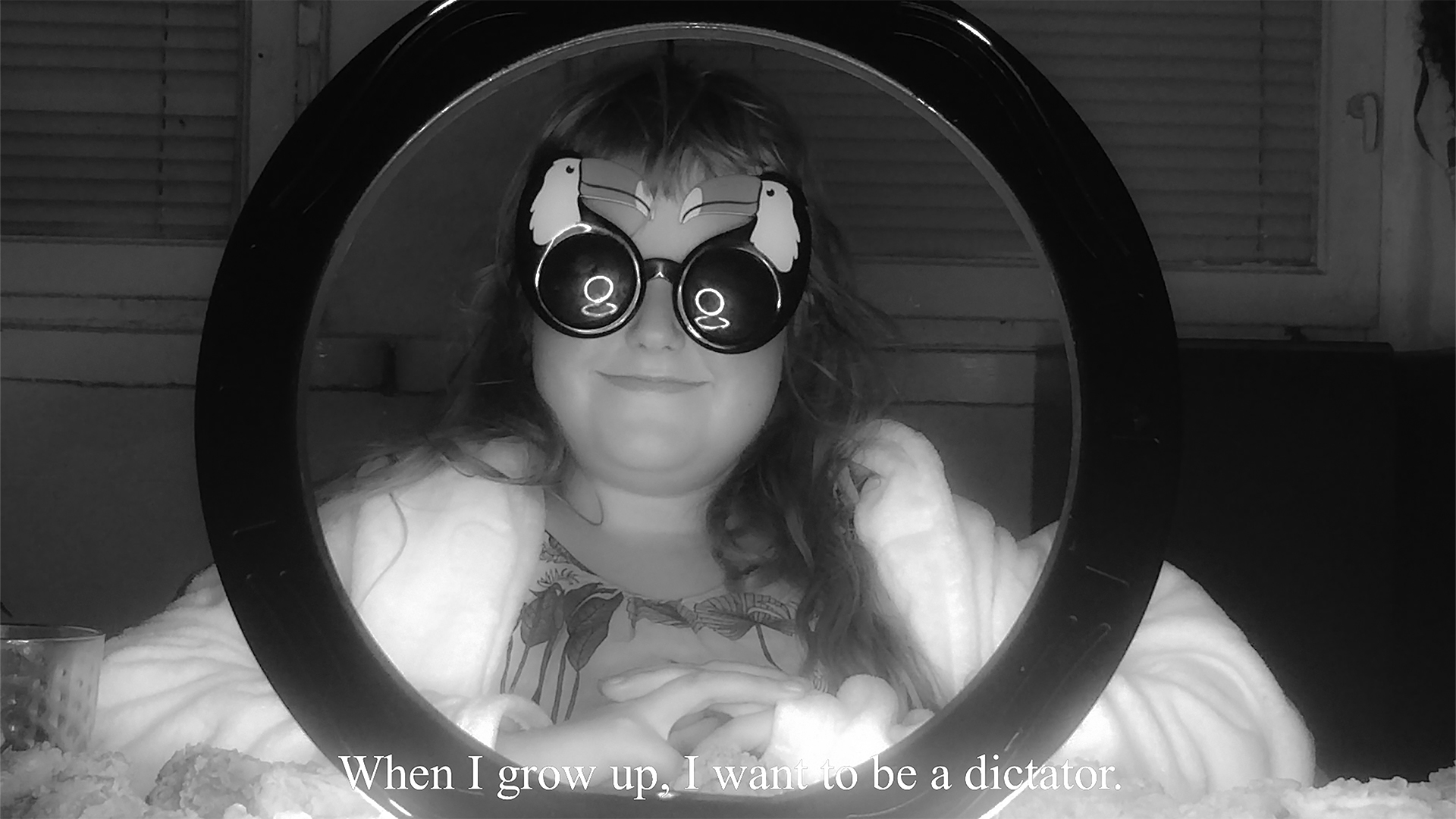
Some of the works evoke childhood fantasies of authority projected into the future, with children imaging themselves as dictators, where innocence becomes entangled with domination in ways that are both unsettling and absurd. Elsewhere, power is staged through absence rather than declaration. Speeches occur without words, total silence is used to assert authority, creating a sense of tension, expectation, and submission through what is retained rather than expressed. Other works take on darker registers. Prison guards, judges, and administrators of detention centres are portrayed as monstrous or spectral presences, while phantom emerge in deep conversations, reflecting on the invisible structures of control that shape contemporary societies. These ghostly figures do not haunt the past alone, but linger in the present echoing unresolved brutality and enduring hierarchies.
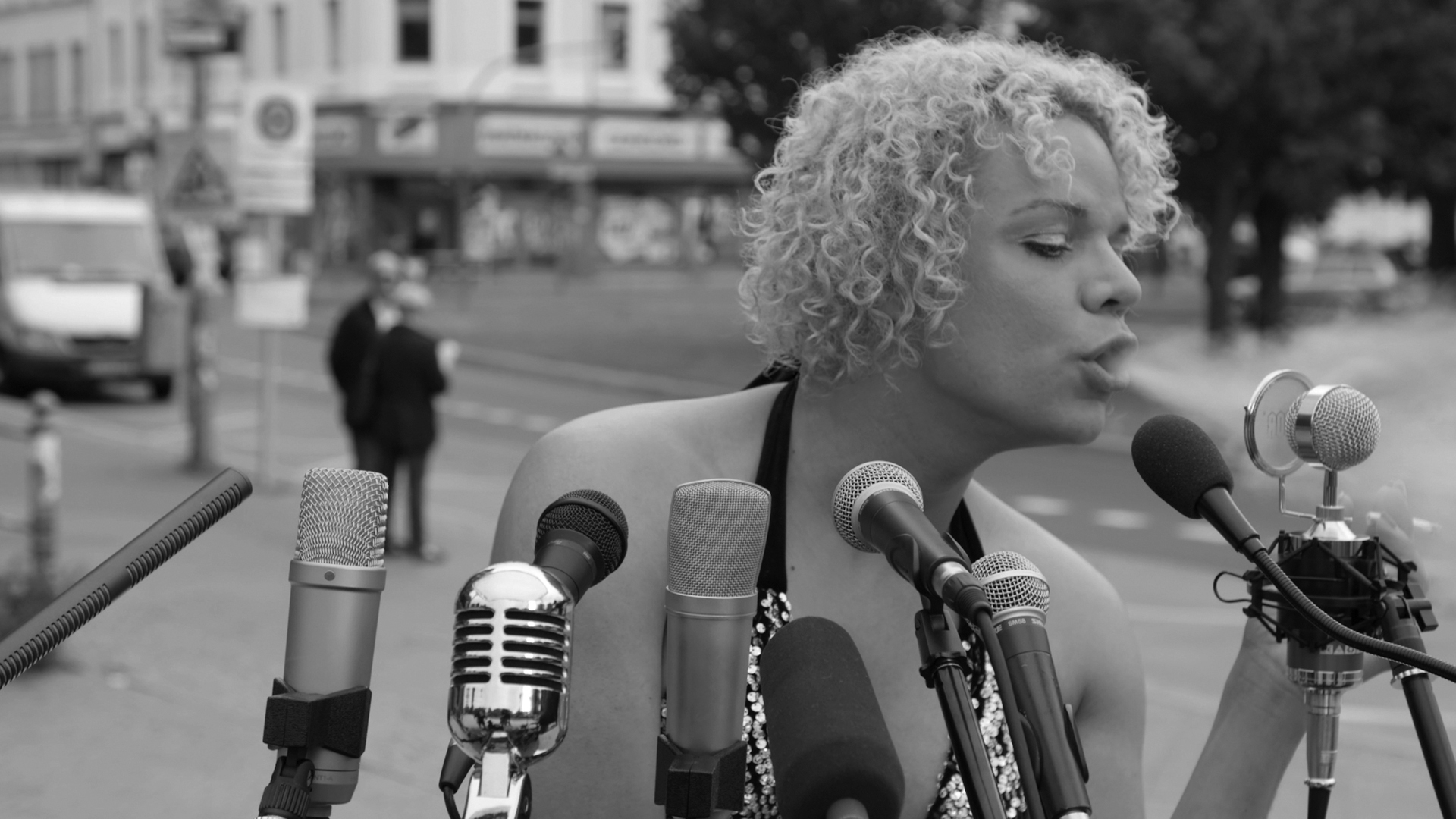
Sound-based works draw on field recordings of drones, which symbolize regimes of surveillance and control over contested lands. These sonic traces operate quietly yet consistently, mirroring forms of power that are both prevalent and nearly unseen. Poems embedded on the walls of historical buildings offer no illusion of hope. They refuse consolation and acknowledge language as a space where violence is recognized as irreversible.
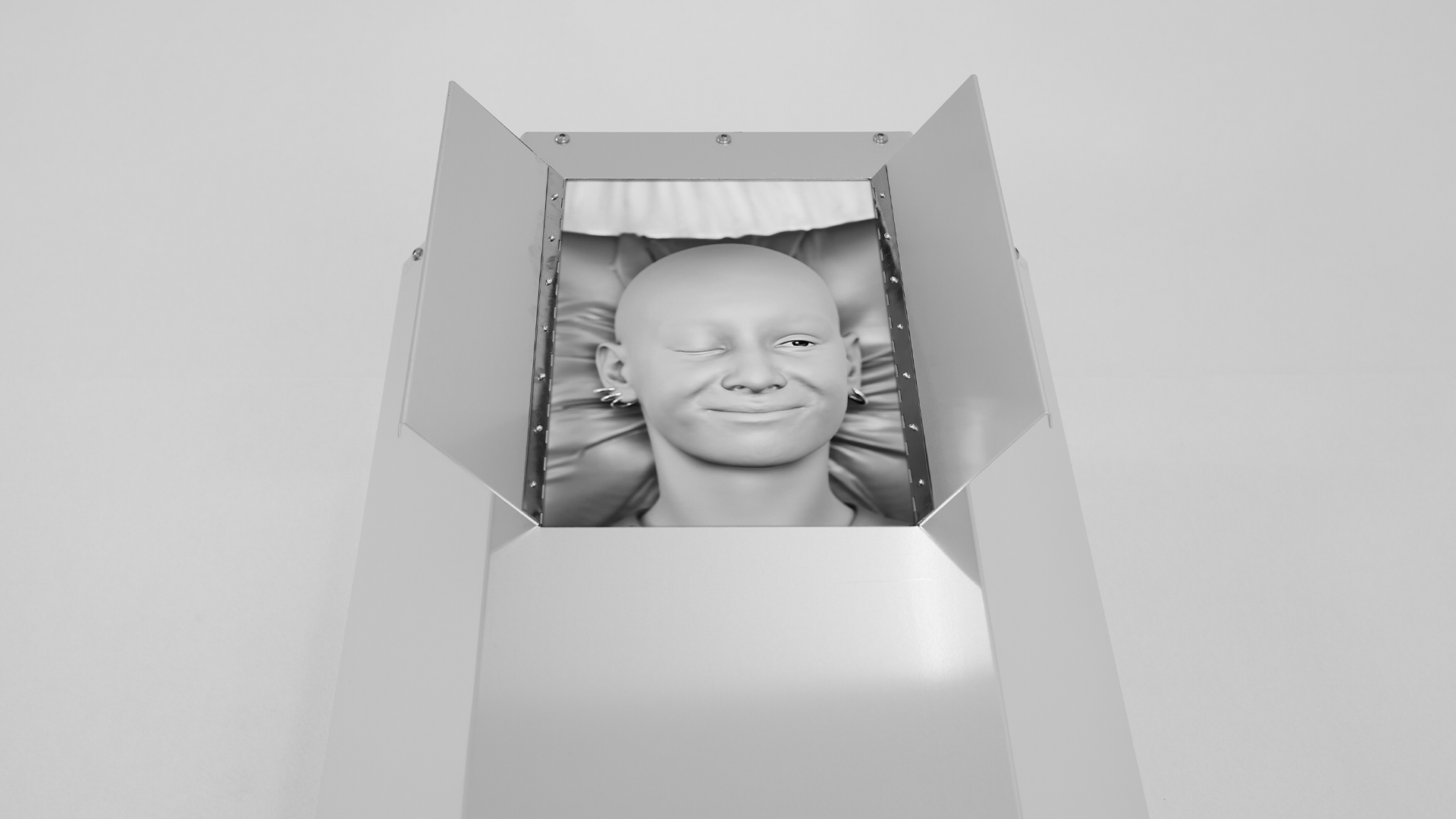
The exhibition also suggests less visible forms of power. The afterlife appears as an extension of control, where belief systems continue to regulate bodies and behaviour beyond death. Technological control is also seen through the quiet power of passwords, access codes, and encrypted identities, revealing how authority today is often exercised through invisible systems rather than physical force.
From childhood fantasies of domination to the imagined regulation of the afterlife, the exhibition traces how power shape bodies and minds within a continuous loop of existence, one in which life itself unfolds under the persistent structures of control.
Joel Valabrega
Curadora do programa expositivo
Forum Arte Braga
7—30.05

gnration
7—17.05


Mosteiro de Tibães
7—17.05
Muzeu
7—17.05
INDEX Library
INDEX 2026 offers a broad reflection on the multifaceted relationships between Power, Art, and Technology. The theme of this edition is grounded in a collection of books spanning various disciplines, authored by several leading figures in contemporary thought. From political science to art, through philosophy, technology, and economic theory, this INDEX Library offers access to some of the seminal works that explore the interplay of Power in the context of Technology today.
From May 7 to 17, visitors will be able to read essays by Georgina Voss, Hito Steyerl, James Bridle, Karen Hao, Yves Citton, as well as Bruno Maçães, Franco Berardi, and Helen Hester, among others at gnration’s sala zero.